Monday, 19 September 2022

Recreational and therapeutic programmes

Sunshine Communities makes it our mission to see to it that every impaired individual in our care fits and is secure. Sunlight Communities has all sorts of restorative and also leisure programs readily available to people in their treatment. At our main university, Sunlight offers several sorts of recreational as well as healing programs that are also available to the general public. We have Sunshine Acres, a multisensory space, as well as additionally a pool and also fitness center.

There's Sunshine Acres, which houses our treatment horses, Sissy, Katie, Harley, and Taz. We offer a variety of horse-assisted activities with accredited riding teachers. Sunlight Acres is additionally where our crew tends our flower, herb, as well as vegetable yards. Often tending to a yard can verify very therapeutic and also enjoyable.

The multi-sensory room provides a room for the people in our care to kick back, reenergize, or perhaps a safe room to allow out their frustrations. The multisensory area supplies a variety of experiences for numerous excitements. Time spent in such environments can increase focus, enhance awareness, awaken memories, focus attention, and also enhance mobilization, imagination, as well as social connections, and communication.

Our pool as well as fitness center is a terrific places for our residents to unwind, play, and also exercise. Our pool is kept at simply over 90 degrees, so it's extremely comfortable! The Sunlight Area pool hosts joint inflammation courses, open swim, as well as pool rentals! The health club has 2 basketball hoops, basketballs, games, and also other sports devices.

Therapeutic, as well as entertainment tasks, are an important part of a complete and energetic life, also for non-disabled individuals. Restorative leisures aid fight feelings of depression, improve as well as preserve movement and protect psychological health. The chances that we offer at Sunshine Communities enhance the lifestyle of our residents and provide the opportunity to boost their social as well as physical abilities. These therapeutic and leisure programs help to foster the common partnerships that comprise Sunlight Communities!

With widespread school closures, children with disabilities have lacked access to basic services such as meal programs; assistive technologies; access to resource personnel; recreation programs; extracurricular activities; and water, sanitation, and hygiene (WASH) programs. COVID-19 has led to a sudden shift in the role of the parent/caregiver to act simultaneously as their teacher, in addition to exacerbating the digital divide between learners related to access to equipment, electricity, and the internet.

Tuesday, 13 September 2022

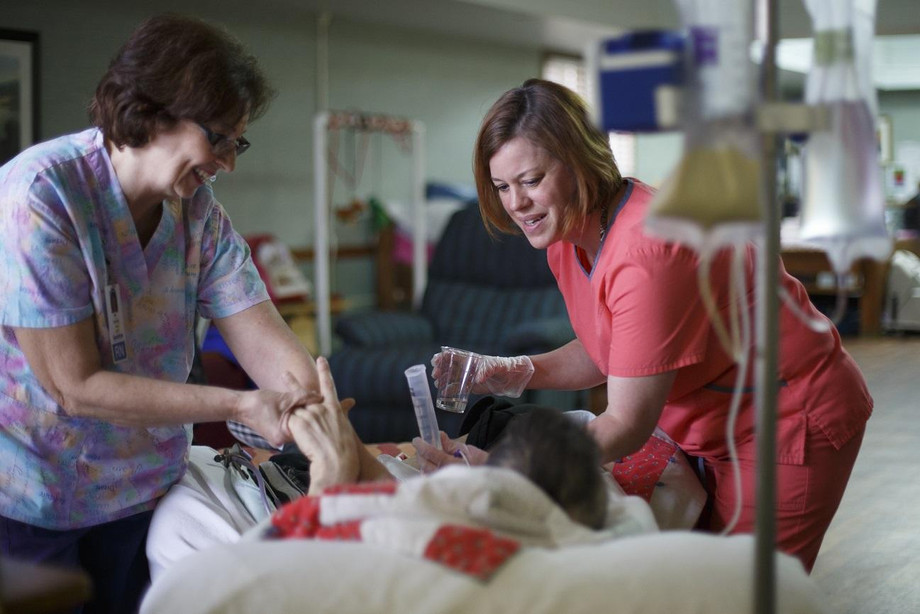
Come to Work at Sunshine in Direct Support, Care or Healthcare

August is here, and now is a great time to look into working with our teams here at Sunshine. Supporting is our role here in Maumee, Ohio, and we would love to have you apply for jobs working here with us.

At Sunshine, we want to find the right people to fill healthcare jobs caring for people with developmental disabilities, so if that's a role you're interested in performing, we'd love to hear from you.

lowresmedical.jpg

What Are We Looking for at Sunshine?

We're looking for individuals who are:

  • Hard-working
  • Compassionate
  • Creative
  • Supportive

To succeed at Sunshine, you have to be willing to work to make a difference. We want to have people on our team who are enthusiastic about helping others, empathetic about what people are going through, and caring towards others. Of course, having the right education and skills matters when you're working direct support professional jobs or direct care professional jobs, but at the core, we want to work with individuals who are dedicated to the mission, community, and people we're working to help.

There are many, many ways that you can help your community while also working a job that is both fun and rewarding. Take a look at our careers page to see what kinds of roles we have open and to take steps to join our team.

What Do We Do at Sunshine?

At Sunshine, we support people who live with intellectual and developmental disabilities. We work with all age groups, from young children through the elderly.

How do we provide support? We offer direct care and directs support. We have therapeutic service, residential, recreational, and vocational programs. We support both those who live with developmental or intellectual disabilities and those who care for them, like their families and friends.

What Kind of Community Does Sunshine Serve?

Sunshine serves a wide range of people. Who you'll work with will depend on the job that you are hired to do with us. We have administrative staff that helps us keep our paperwork in order and programs operating. We also have healthcare roles as well as jobs for:

  • Lifeguards
  • LPNs
  • Direct support professionals
  • Direct caregivers
  • Cooks
  • Therapists
  • Behavior technicians

The good news is that not every role requires a medical degree or license. Some jobs will require further licensing or training, but if you have the compassion necessary to help and care about others, then we want to get to know you.

At Sunshine, we have a variety of opportunities that help you support people. There are many job opportunities available now.

Just head over to our careers page to look at the open roles. Or, if you want to learn more about us, you can go to the "About Us" page to see what kinds of things we do here at Sunshine. We're here to help, so if you have questions about a specific job or want to talk about what kind of role you might fit best into, we'd love to have that conversation with you.

Source Url :-  https://acesanjel.com/come-to-work-at-sunshine-in-direct-support-care-or-healthcare/

Saturday, 10 September 2022

We are offering the best Direct Support Professional Jobs | Sunshine.org


Searching for direct support professional jobs? Sunshine.org is a terrific place to look for the best immediate assistance for full-time, part-time, or weekend work. Anybody who wants to impact others' lives positively is welcome to apply for one of our direct support professional jobs. Visit our site for more information.

Direct Support Professional Jobs

Tuesday, 16 August 2022

Searching for the best Jobs for People With Disabilities | Sunshine.org


Sunshine.org is a well-known place to get jobs for people with disabilities. We have a wide range of job openings, and our team is ready to assist you in finding the ideal position for your needs. For additional information, please visit our website.

jobs for people with disabilities

Wednesday, 27 July 2022

Earn a Competitive Recreational Therapy Salary

 A career in recreational therapy can be a very rewarding and fun profession for those who have a passion for helping other people, and enjoy working with different types of challenged patients.

One of a long list of healthcare professions that has seen increased demand over the past few years, and is expected to continue to do so, there are more job availabilities than ever before in the field of recreational therapy.

With numerous opportunities for advancement, and a median recreational therapy salary that is higher than many jobs, earning a degree could be a great option for anyone seeking a career in the therapeutic or rehabilitation segments of the medical profession.

How to Become a Recreational Therapist

With recent changes to the educational requirements for becoming a recreational therapist, students must graduate a minimum of a Bachelor's degree program to qualify for licensure.

However, their degree can be taken as either a dedicated recreational therapy program, or some other science-oriented bachelor's program as long as students include a required amount of coursework that is specific to recreational therapy.

In both cases, students are then qualified to sit to take the certification examination offered by the National Council for Therapeutic Recreation Certification (NCTRC).

The main difference in requirements to be able to sit for the examination is that those students not graduating from a specific program designed for therapists must have also fulfilled a certain amount of work experience under the supervision of, and observation of a certified therapeutic recreation specialist (CTRS).

This takes the place of any clinical experiences and observation that students enrolled in dedicated educational programs will receive, and ensures that those seeking certification are aware of what is involved in working in the field, and are good candidates for the profession.

Earn a Competitive Recreational Therapy Salary

 A career in recreational therapy can be a very rewarding and fun profession for those who have a passion for helping other people, and enjoy working with different types of challenged patients.

One of a long list of healthcare professions that has seen increased demand over the past few years, and is expected to continue to do so, there are more job availabilities than ever before in the field of recreational therapy.

With numerous opportunities for advancement, and a median recreational therapy salary that is higher than many jobs, earning a degree could be a great option for anyone seeking a career in the therapeutic or rehabilitation segments of the medical profession.

How to Become a Recreational Therapist

With recent changes to the educational requirements for becoming a recreational therapist, students must graduate a minimum of a Bachelor's degree program to qualify for licensure.

However, their degree can be taken as either a dedicated recreational therapy program, or some other science-oriented bachelor's program as long as students include a required amount of coursework that is specific to recreational therapy.

In both cases, students are then qualified to sit to take the certification examination offered by the National Council for Therapeutic Recreation Certification (NCTRC).

The main difference in requirements to be able to sit for the examination is that those students not graduating from a specific program designed for therapists must have also fulfilled a certain amount of work experience under the supervision of, and observation of a certified therapeutic recreation specialist (CTRS).

This takes the place of any clinical experiences and observation that students enrolled in dedicated educational programs will receive, and ensures that those seeking certification are aware of what is involved in working in the field, and are good candidates for the profession.

Occupational Therapy Aide Jobs

 There is a wealth of occupational therapy aide jobs emerging in the medical and healthcare field and probably many more are on the way. Occupational therapy aides assist therapists and therapist assistants. They receive training on-the-job.

OT Aides Help Clients with Rehabilitative Activities

Occupational therapy aides work under the direction of occupational therapists and help improve the lives of people belonging to different age groups. They

o Work with patients with mental, physical, emotional, or developmental impairment to achieve independence and enjoy life to its fullest

o Prepare work areas, materials, and equipment used during treatment

o Teach the proper method of moving from bed to wheelchair

o Teach patients how to perform daily activities more effectively

o Transport patients to and from the occupational therapy work area

o Encourage clients

o Maintain health records and related information regarding clients

o Are responsible for completing a variety of clerical tasks

Qualify for Employment

Occupational therapy aide jobs demand good communication skills and patience on the part of the candidate. In addition, aides must hold a high school diploma or equivalent qualification. Occupational therapy aides receive on-the-job training; the services of these professionals have become extremely valuable in healthcare facilities.

Fastest Growing Jobs in the Healthcare Industry

Qualified candidates can work in a variety of healthcare settings including skilled nursing facilities, therapy clinics, private residences, private practices, hospitals, and acute care centers in the U.S.